


live comfortably & enjoy life
Specialist Disability Accommodation
If you live with a high level of disability, it can be really difficult to find a mainstream home that adequately meets all of your support needs.
This lack of suitable housing can have a flow-on effect, impacting your ability to take care of yourself, move around your home and perform daily tasks.
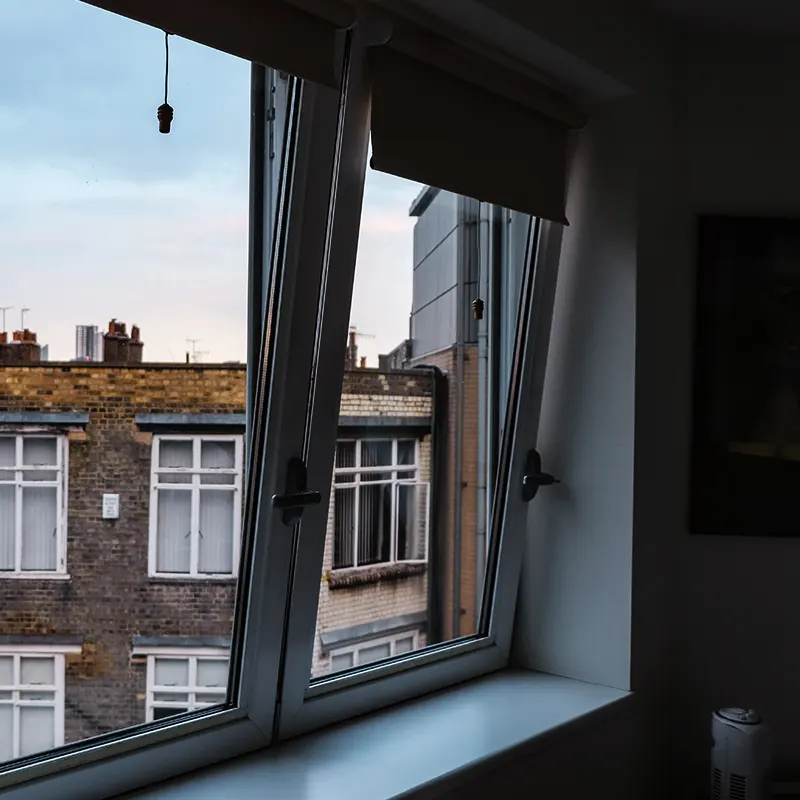
opportunity to all living with a disability
Supported Independent Living (SIL)
On the other hand, appropriate housing can have a profoundly positive affect on people’s lives, enabling them to live comfortably and enjoy life to the fullest.
To provide this opportunity to all Australians living with a disability, the NDIS offers funding to eligible participants for Specialist Disability Accommodation (SDA) and Supported Independent Living (SIL).
Quick Guide
How does NDIS housing work?
Home Caring is ready and able to help NDIS participants with their SDA needs. To start with, here’s a quick guide onspecialist disability accommodation and how it works.
NDIS Specialist Disability Accommodation is housing that enables people with extreme functional impairment or very high support needs to live comfortably and receive their daily supports. It can include shared supported accommodation, community residential units, or self-contained homes that are fitted with specialist housing solutions.
It’s important to note that SDA housing is different from Supported Independent Living (SIL), which refers to the support services you receive to help you live independently.
At Home Caring, an SDA residence may be a self-contained apartment; villa, duplex or townhouse for a few residents; a house or a group home. The building may include features such as improved wayfinding, physical access for wheelchairs, a robust building made out of impact-resistant materials and physical access provisions for people with very high support needs.
Home Caring specialist disability accommodation isoptimally located close to shops, amenities and public transport, so you can easily get out into the community. We also believe they should be real homes that you feel comfortable in, customisable to an individual’s tastes and personality.
NDIS participants who have SIL funding are not necessarily approved for SDA. These categories are funded separately in a participant’s plan, which gives people more control over where they live and the support services they use. For example, if you like where you are living but are unhappy with your support worker, you can change your support worker without having to move homes. This also works in the reverse; you can change your living situation without having to stop seeing a support worker that you get along with.
FOR MORE INFO
Enquire Now
are on standby to fulfill any enquiries you may have.
5 different types of SDA
What are the different levels of NDIS Specialist Disability Accommodation?
Basic, Improved Liveability, Fully Accessible, Robust and High Physical Support. If you have been approved for SDA payments, your NDIS plan will say which category you are eligible for.
Basic SDA
It is generally given to people who want to remain in their current group home, and doesn’t include special design features such as ceiling hoists and wheelchair access.
Improved Liveability
Housing SDA
It includes specialist design features such as increased luminance contrast to help people with vision impairment; improved way finding to help people navigate their physical space; light-based doorbells and fire alarms; improved lines of sight; and reduced lighting levels and other stimuli.
Homes in this category meet the Liveable Housing Australia ‘Silver’ Standard.
Fully Accessible Housing SDA
Features include no steps at external outdoor areas and doors; wide wheelchair-accessible entryways; appliances and sinks that can be reached from a standing or sitting position; and power supply to door and windows so automation can be retrofitted if needed.
Home in this category meet the Liveable Housing Australia ‘Platinum’ Standard.
Robust Housing SDA
These homes have adequate space to support the needs of people with complex behaviours; areas of retreat for other residents, carers and staff; impact-resistant materials to protect participants and reduce the need for maintenance and repairs; sound proofing; and laminated glass.
These homes meet the Liveable Housing Australia Silver Standard.
High Physical Support SDA
Along with Fully Accessible Housing specialist design features, they features structural provision for ceiling hoists; assistive technology; emergency power solutions to protect the welfare of residents; and household communication technology.
Homes in this category meet the Liveable Housing Australia Silver Standard.
NDIS approves SDA funding
Who is eligible for Specialist Disability Accommodation?
Not every person living with a disability needs Specialist Disability Accommodation. The NDIS approves SDA funding for only a small proportion of participants with extreme functional impairment, or who have a very high need for constant and immediately available supports.
If you are approved, your funding is used to cover the cost of the housing; it can’t be used for any other purpose. If you are not eligible for SDA funding, you may be able to receive NDIS payments for home modifications so you can live comfortably in a mainstream home.

Would like to talk to someone face-to-face about NDIS disability accommodation and how funding works? The Home Caring team are happy to have a chat.
We have helped many of our clients find and apply for the right NDIS accommodation funding for their needs, and we are happy to support you through the process. Please don’t hesitate to get in touch!Supported Independent Living (SIL)
What is Supported Independent Living?
is all about the supports you receive to help you live as independently as possible. It includes services such as:
- Support workers that can help you with personal care tasks such as getting out of bed, grooming and having a shower
- Help with domestic tasks such as cooking, laundry, housework and cleaning
- Assistance with managing money, budgeting and grocery shopping
- Daily skills training
- Help with catching public transport
- Community participation and assistance with attending appointments
NDIS funded SIL services
Where can I receive
Supported Independent Living?
You can also receive SIL services from carers and support workers in a shared living arrangement. This is where you live in a home with other individuals, and receive individualised support while enjoying the company of others. If you decide you would like to live in shared accommodation, Home Caring can help you find a group home that is right for your needs – from being matched well with your housemates, to ensuring the property is well located and a place where you feel comfortable and supported.
Home Caring provides professional and compassionate NDIS-funded Supported Independent Living services that is tailored to each individual, both in the home and in supported accommodation.
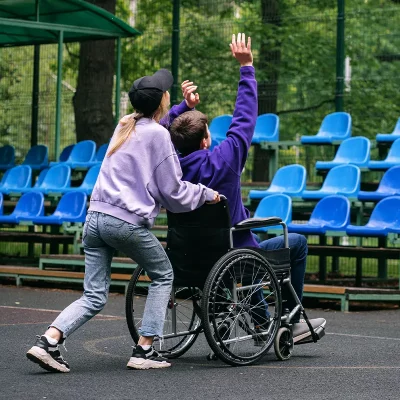
Transitioning into a new life stage
Assist – Life Stages, Transition and Support
Transitioning into a new life stage doesn’t have to be overwhelming. The team at Allied Disability Support Services embraces the fact that change is inevitable. We help you get through these changes and transitions in a prepared manner, so that whenever the stage comes, you know how to respond.
We aim at being a catalyst in your growth, so that you are able to achieve your life goals.
One of our friendly support workers will assist you throughout, to ensure that the transition is effortless and smooth. Whether it is starting a new job, taking important life decisions, understanding your NDIS, or transitioning into a new stage of your life, we will be there to support you.Make your transition effortless
At Allied disability support services, we help you with:
- Starting a new job, or school
- Understanding your housing obligations, or buying a new house
- Utilizing NDIS supports
- Learning a new skill
- Starting a business
- Decision-making
- Accepting change & building capacities to do the same